Cold Weather Riding
Stay Safe, Comfortable, and Confident on Two Wheels Through the Chill
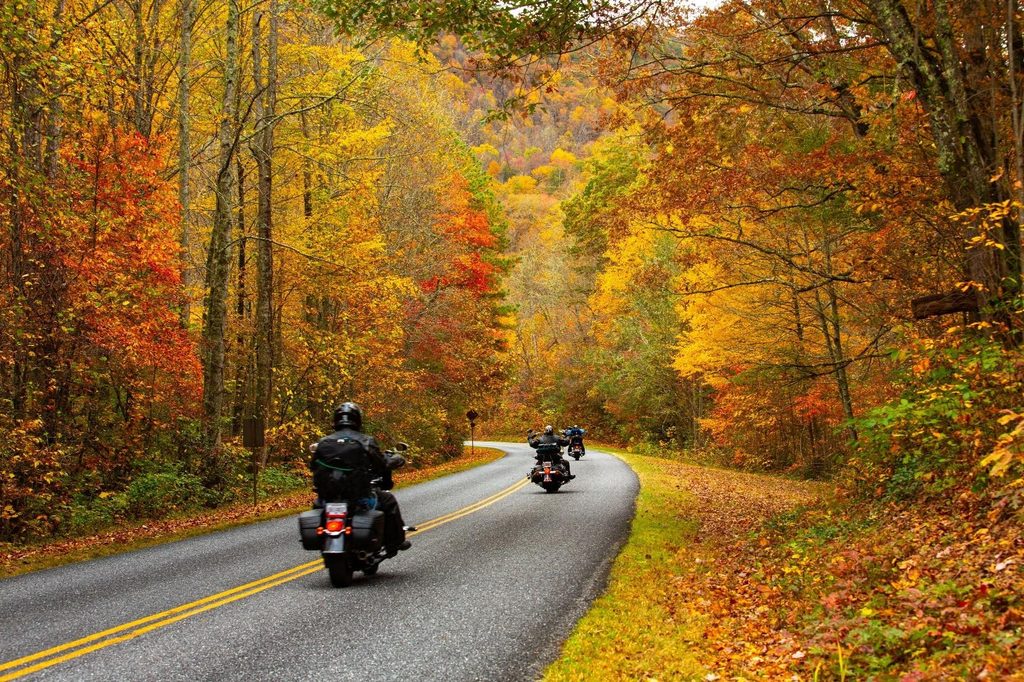
As Fall arrives, the temperatures can drop – sometimes even swinging 20-30 degrees or more within the same 24 hours or even ride. It’s important that you plan ahead.
Riding a motorcycle in cold weather is a test of both spirit and preparation. The crisp air, open roads, and solitude of winter landscapes offer a unique thrill, but these pleasures come with their own set of challenges. Frigid temperatures, icy surfaces, and biting winds can turn an ordinary ride into a daunting experience for even the most seasoned motorcyclist.
However, with attentive planning and the right gear, cold weather rides can be not just manageable, but really enjoyable.
Invest in Proper Riding Gear
- Break out the Leathers! There are plenty of reasons that riders prefer leather – and cutting the wind is right up there. Even insulated street gear can’t compare.
- Heated Gear: Heated jackets, gloves, insoles, and vests powered by your motorcycle’s battery or rechargeable packs can make a world of difference. Look for adjustable temperature controls and reliable connections.
A heated vest can go under your favorite lighter riding gear.
- Thermal Base Layers: Start with high-quality, moisture-wicking thermal underwear. Merino wool or synthetic blends are best, as they keep your skin dry and trap heat.
- Windproof Outer Layers: A windproof, waterproof motorcycle jacket and pants are essential. Gore-Tex or similar materials block cold air and repel water while maintaining breathability.
- Insulated Gloves: Cold hands are not only uncomfortable, but dangerous if they go numb. Consider layered gloves or dedicated heated gloves for extended rides.
- Balaclava or Neck Warmer: Don’t neglect your neck and face. Fleece or wool neck gaiters and balaclavas help seal out wind and retain warmth under your helmet.
- Warm Socks and Boots: Wool socks and insulated, waterproof boots keep feet dry and prevent heat loss from toes—often the first part of the body to get cold.
Layer Smartly
- Layering traps warm air and lets you adjust insulation as conditions change. Avoid cotton, which holds moisture and loses insulation value when wet.
- Ensure your layers do not restrict movement; you need to operate your motorcycle with agility and comfort.
Pay Attention to Helmet Choice
- Full-face helmets offer better insulation than open-face designs.
- Pinlock visors, anti-fog inserts, or breath deflectors reduce visor fogging—a serious hazard in cold weather.
Before You Ride: Preparation Is Vital
Inspect Your Motorcycle
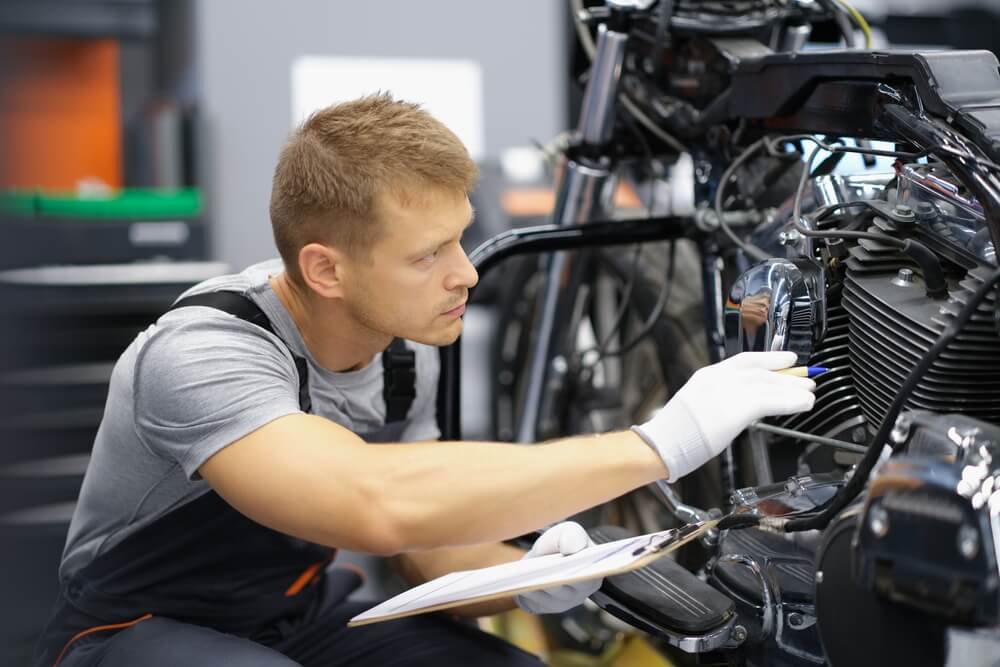
- Battery: Cold weather drains batteries faster. Check charge levels and consider a battery tender for overnight charging.
- Tires: Tires lose pressure and grip in the cold. Monitor PSI closely and choose tires rated for lower temperatures if you ride regularly in winter.
- Fluids: Ensure your oil, coolant, and brake fluids are at proper winter specifications and topped up.
- Lights and Electronics: Days are shorter in winter. Test your lights, indicators, and heated gear connections before hitting the road.
- Brakes and Controls: Cold makes cables stiffer and lubricants less effective. Check for smooth operation and lubricate as needed.
Check the Weather
- Always check the latest forecasts. Pay attention to both air temperature and wind chill. Don’t get caught unprepared by a sudden drop in temperature or change in weather.
- If ice, snow, or freezing rain is expected, consider rescheduling your ride.
On the Road: Riding Techniques and Safety
Warm Up Your Motorcycle and Yourself
- Start your motorcycle a few minutes before you depart to let the fluids circulate and the engine warm up.
- Do some light stretches indoors to reduce muscle stiffness before riding.
Adjust Your Riding Style
- Allow extra time for all maneuvers. Braking distances increase in the cold—even more if there’s frost or debris.
- Take corners slower and with less lean. Cold tires and possible black ice make aggressive riding dangerous.
- Increase your following distance to give yourself more time to react to hazards.
- Use smooth, deliberate throttle, brake, and steering inputs. Sudden moves can break traction.
Watch for Hazards
- Shaded areas, bridges, and overpasses freeze first and can hide black ice.
- Salt, sand, and debris from winter road treatments can reduce traction.
- Frost may form even if the air temperature is above freezing, especially at dawn or dusk.
Stay Visible
- Wear reflective gear or add reflective tape to your clothing and bike.
- Ride with your headlights on, even during the day.
- Clean your lights regularly; grimy lenses reduce visibility.
Stay Comfortable: Managing Body and Mind
Take Regular Breaks
- Warm up indoors or at a gas station every hour or so to keep your core temperature up.
- Drink warm, non-caffeinated beverages to stay hydrated and avoid the chill of dehydration.
- Eat high-energy foods to fuel your body’s heat production.

Recognize the Signs of Cold Stress
- Early signs include shivering, numbness, and loss of dexterity—especially in fingers and toes.
- If you feel confused, exhausted, or stop shivering, seek shelter and warmth immediately. These are signs of hypothermia.
Know Your Limits
- There is no shame in cutting a ride short if you can’t stay warm or safe. Listen to your body.
- Consider alternate transportation if conditions deteriorate.
After the Ride: Care for Your Gear and Bike
Dry and Inspect Your Gear
- Hang wet gear to dry thoroughly to prevent mold, mildew, and odors.
- Recharge batteries for heated gear as soon as you return home.
Clean Your Motorcycle
- Rinse salt and de-icing chemicals off your bike as soon as possible to prevent corrosion.
- Lubricate moving parts as cold and wet conditions accelerate wear and rust.
Perform a Post-Ride Check
- Look for any damage, leaks, or unusual wear caused by winter roads.
- Top off fuel and make sure your bike is stored properly if you’re not riding again soon.
Cold weather riding demands preparation, vigilance, and respect for the elements. But with the right mindset and strategy, the experience can be as exhilarating as any warm-weather journey—perhaps even more so for the quiet roads and sharp air. Layer well, ride smart, and always prioritize safety over bravado. Cooler weather awaits, but that doesn’t mean you need to put away your bike quite yet.
Yet another platform for riding info!
Visit and subscribe at www.youtube.com/@ReasonsToRide
Read More of Our Magazines
Looking for more riding inspiration, tips, and event highlights? Explore our complete collection of past Reasons to Ride magazines in our Past Issue Bookshelf. Each issue is packed with valuable content for riders, including scenic routes, gear reviews, and updates from the motorcycle community.