CHASING THE LAST GOOD MILES
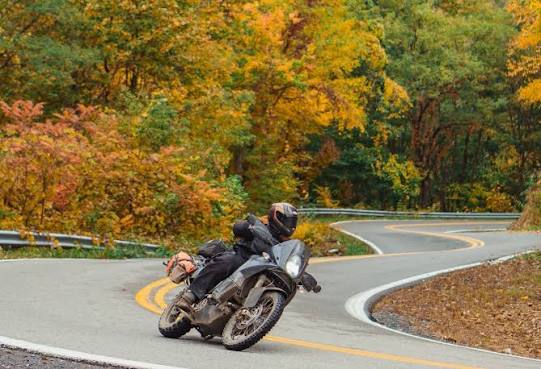
Fall can deliver the best riding of the year: crisp air, spectacular color and less traffic. It also quietly removes your margin for error. Shorter daylight, cold pavement, wet leaves, low sun, fogged shields and deer can turn a familiar road into a different ride.
TREAT FALL AS ITS OWN RIDING SEASON
The smart move is not to quit riding – it is to adjust. Check conditions for the full route and the ride home, not just departure. A mild afternoon can become a damp, cold return after dark. Build extra
time into the plan and decide in advance when conditions will trigger a shorter route.
GEAR FOR THE TEMPERATURE YOU WILL HAVE
Start with a moisture-wicking base layer, add insulation, then finish with a windproof, abrasion-resistant shell. A lined armored jacket, insulated gloves, over-the-ankle boots and a neck gaiter protect the places cold air finds first. Pack a compact rain layer; it also blocks wind. Avoid so much bulk that you lose control feel or restrict movement. With heated gear, confirm charging capacity, secure cords and use a controller. Warm is good; sweaty layers chill fast when you stop.
KEEP YOUR VISION CLEAR
Carry a microfiber cloth and use an approved anti-fog insert or treatment. Switch from a tinted shield before dusk. Clean every light and reflector. Low sun can hide you even when you can see traffic, so add reflective material and ride where you are visible in mirrors.
READ THE ROAD DIFFERENTLY
Cold tires take longer to build grip, and cold pavement offers less help. Allow extra warm-up miles before hard acceleration, heavy braking or deep lean. Increase following distance and keep every input smooth. Leaf piles can hide potholes, gravel and water; wet leaves can be as slick as painted lines, so cross them upright without
abrupt steering or braking.
Watch shaded curves, bridges and low spots for frost. Expect mud near farm entrances and gravel at disturbed shoulders. At dawn and dusk, slow down and scan both road edges for deer; where one appears, others often follow. The point is not to ride scared. It is to keep enough time and space to respond.
START WITH A CLEAN BIKE
Dirt hides problems. Wash away bugs, road grime and any early-season salt, then dry the motorcycle thoroughly. As you clean, look for fresh leaks, rubbed wiring, missing clips, loose hardware and damage that may have blended into a busy season. Protect bare metal and painted surfaces with products appropriate for the finish, but keep dressings and lubricants away from tires, brake rotors, pads, seats and
control surfaces.
TIRES AND WHEELS
Check pressure when the tires are cold and set it to the motorcycle or tire manufacturer’s specification. Falling temperatures mean pressure can fall with them, so do not trust a number from the last warm week. Inspect the full tread for cuts, punctures, cupping, flat spots and embedded
debris. Check sidewalls and valve stems for cracks, and note tire age as well as tread depth. Spin each wheel and look for damage or unusual movement. On spoke wheels, inspect spoke condition and tension
according to the service manual. If a tire is near the end of its life, schedule replacement during the off-season instead of trying to squeeze out one more spring ride.
BRAKES AND CONTROLS
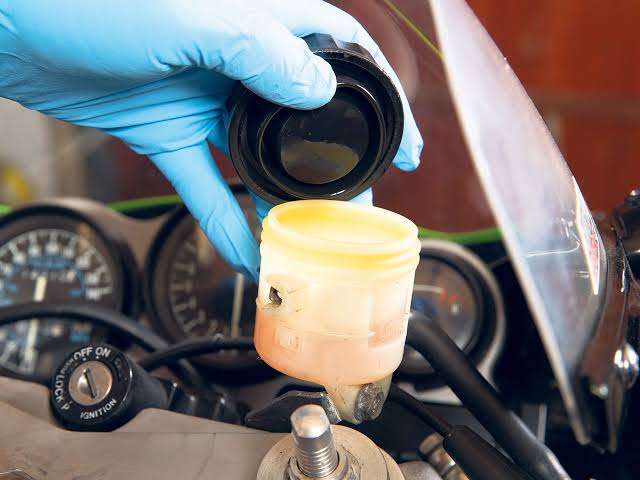
Inspect pad thickness, rotors, hoses and fittings. Check brake fluid condition and replacement interval in the owner’s manual; fluid that is dark, contaminated or overdue deserves attention. Make sure levers and pedals move smoothly and return normally. Verify throttle snap-back, clutch operation and cable condition. A small change in feel is often the first warning of wear or adjustment drift.
FLUIDS, FILTERS AND LEAKS
Check engine oil, coolant and hydraulic fluid levels using the correct procedure for your motorcycle. Look closely around drain plugs, covers, fork seals, hose connections and the underside of the engine. Review the maintenance schedule against current mileage, not the calendar alone. An oil change, air filter service, spark plug inspection or valve check is easier to plan now than during the first warm weekend of spring.
FINAL DRIVE
For a chain, clean and lubricate it, inspect for tight spots or damaged links, and verify slack at the position and load specified by the manufacturer. Inspect sprocket teeth for wear. For a belt, check tension, alignment, edge damage, cracks and trapped stones. Shaft-drive owners should inspect for leaks and confirm the final-drive fluid service interval.
BATTERY AND ELECTRICAL
Fall is when a marginal battery starts to show itself. Inspect terminals for looseness and corrosion, check resting and charging voltage, and load-test the battery if cranking has slowed. If the bike will sit, use the correct smart maintainer for the battery type. Test every light, horn and accessory connection. Heated gear and auxiliary lights add electrical demand, so address weak charging performance before relying
on them.
CHASSIS, FASTENERS AND SUSPENSION
Check critical fasteners to the service manual – especially racks, floorboards, controls, guards, exhaust mounts and accessories added during the season. Do not simply tighten everything by feel. Inspect fork tubes and seals, rear shocks, steering movement and wheel bearings. Uneven tire wear, wallowing,
clunks or new vibration deserve a qualified inspection.
FUEL AND STORAGE
If the bike may sit for weeks or months, follow the owner’s manual for fuel, battery and storage procedures. Use fresh fuel and an appropriate stabilizer when recommended, then run the engine long enough to circulate treated fuel. Do not idle the motorcycle periodically as a substitute for a real ride; short warm-ups can add moisture without bringing the engine and exhaust fully to temperature.
PLAN THE OFF-SEASON WORK
Write down mileage, upcoming service items and anything you noticed on the final rides: a weak starter, a fork-seal mist, a noisy bearing, a fading brake pad or a tire that is close to done. Book shop work before spring schedules fill. A motorcycle put away clean, inspected and documented is far more likely to be ready when the first good day arrives.
Read More of Our Magazines
Looking for more riding inspiration, tips, and event highlights? Explore our complete collection of past Reasons to Ride magazines in our Past Issue Bookshelf. Each issue is packed with valuable content for riders, including scenic routes, gear reviews, and updates from the motorcycle community.