Charged & Ready: How Motorcyclists Can Beat the Winter Downtime with Winter Tips
Almost every motorcyclist has to deal with the occasional riding break, regardless of climactic problems, and we must keep our motorcycling selves charged, just as we shield our batteries from the effects of inactivity while the bikes they inhabit remain idle.
Here are some ways we can winterize ourselves in these long, dark days
Garage Time
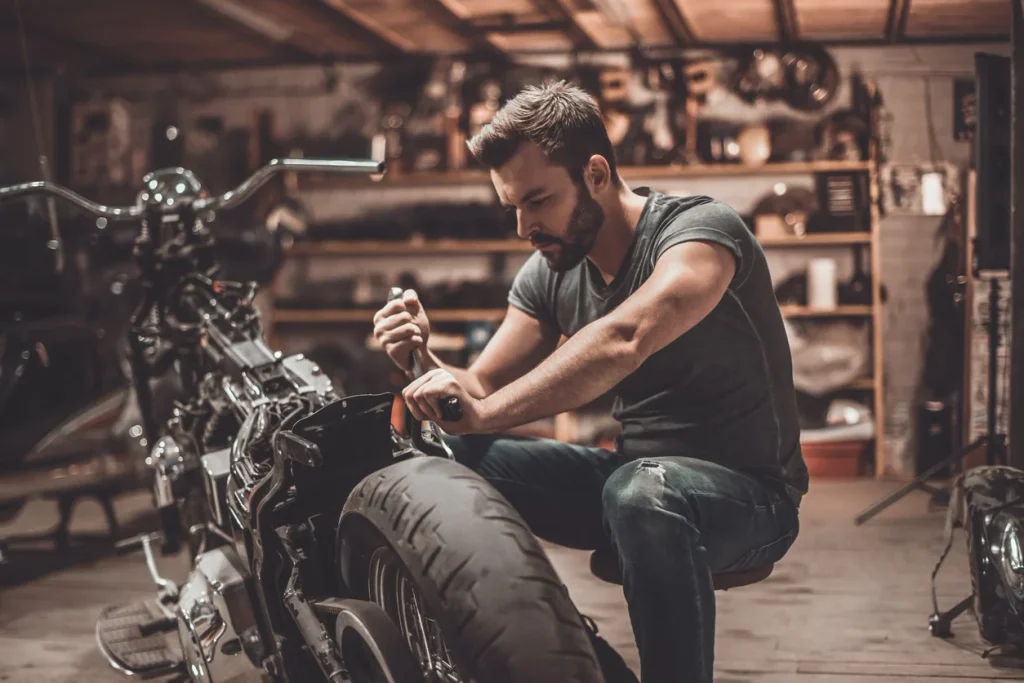
For those of us who enjoy spinning wrenches, garage time is an ideal answer. Winter is an excellent time to install aftermarket components, do maintenance and repairs, or just give our motorcycles a thorough cleaning, polish, and adjustment. These duties can be completed carefully and leisurely without the stress of an impending ride, allowing us to enjoy the process and avoid compromise.
Planning future rides
The enjoyment of riding extends beyond the time we spend spinning wheels. We improve the entire interim when we schedule an experience, no matter how small, several weeks in advance. Its delights extend all the way back to the present as we gather equipment, prepare our bikes, talk about routes with riding friends, and envision the event. Naturally, happy moments also add priceless memories to the weeks, months, and years that follow. Long before and long after we actually go on rides, we love them.
Even though those events won’t happen for months, taking part in a track day or riding school, organising a group excursion, or simply searching maps and enthusiast media for interesting local locations will sow seeds that bear fruit right away. The anticipation element is greatly increased by gathering with other participants.
Study
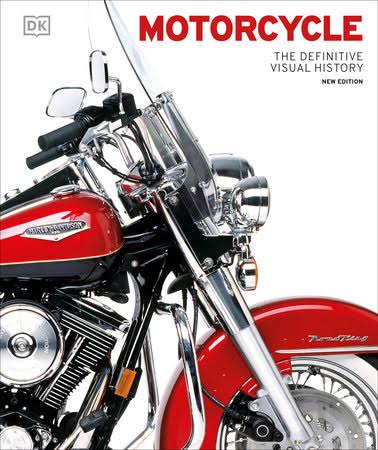
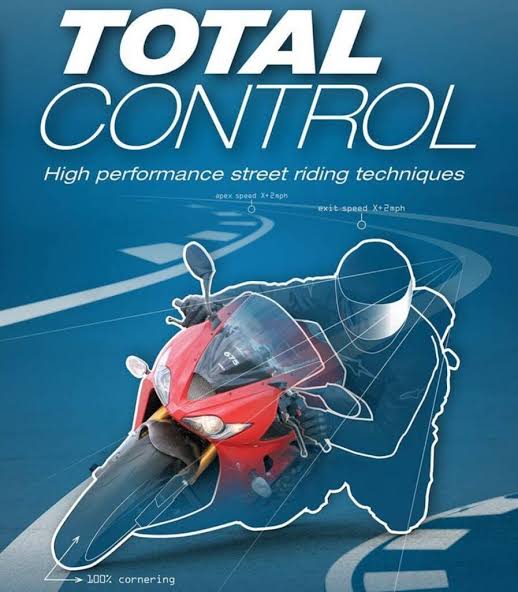
We can strengthen our mental and physical preparedness for riding in general during forced rest, even though having a specific goal in mind typically increases our focus and motivation. Our awareness of technique will remain current and sharp if we read books and articles, watch videos focused on skill development, or sit in front of the fireplace with a warm beverage. Such research highlights areas that require improvement and broadens our understanding of previously unexplored elements, such as how to carry out specific tasks or the reasons behind the desired (or undesirable) consequences of different activities. Science! Yes, it takes a lot of hands-on experience to turn these abstract ideas into practical skills. However, if we don’t have a precise conceptual framework to start with, we can’t practise skills we don’t know exist and can’t tell the difference between good and bad execution.
Lots of learning can also occur off the bike with the use of visualization. Try going through the motions with eyes closed as you imagine a favorite corner, coordinating your clutching, braking, shifting, and throttle movements, synchronizing footpeg weighting and body positioning with your countersteering. If it feels silly, remember the very best riders in the world — professional racers — do exactly this type of exercise, rehearsing for countless hours.
Maintenance Isn’t Just for Your Bike
Winter has a habit of making us sedentary, leading to weight gain, stiffness, and lost strength while we wait out the cold. Without consistent activity, heading back out in the spring means riding in far worse physical shape—creating a risky gap between our eagerness to ride and our actual physical condition. We might mentally remember how to handle our bikes, but our muscles forget, leaving us feeling slow and sluggish.

Imagine starting the new season fitter than when you parked your bike for the winter. Combining visualization with strength training, flexibility work, and cardio delivers massive dividends on the road—helping you ride longer, safer, and with less physical strain. Proper sleep, nutrition, and hydration are just as essential. Because winter limits outdoor leisure, it’s actually the best time to build disciplined fitness routines, especially when you tie that effort directly to better riding. Waiting until spring guarantees you won’t be physically ready when the weather breaks.
Riding a motorcycle demands total physical and mental coordination. Beyond core riding skills, you need solid balance and mobility. Without quick reflexes at low speeds, a heavy bike will hit the pavement before you can stop it. If you lack the strength or technique to lift a downed motorcycle, a simple drop can leave you stranded. Poor neck mobility impairs your blind-spot checks, raising your crash risk, while tight hips and knees make sitting comfortably nearly impossible. Furthermore, a flexible body resists serious injury much better during a spill. Mentally, if you can’t reset after a near-miss, you can’t navigate the rest of your trip safely.
The good news? You can sharpen both mind and body through a single practice: yoga tailored specifically for motorcyclists.
This article was inspired by RevZilla
Read More of Our Magazines
Looking for more riding inspiration, tips, and event highlights? Explore our complete collection of past Reasons to Ride magazines in our Past Issue Bookshelf. Each issue is packed with valuable content for riders, including scenic routes, gear reviews, and updates from the motorcycle community.